Sign in or create your media account to save the project
Guardar proyecto

Architecture, Design, Art, Lifestyle,
Communication around the world

Sign in or create your media account to save the project
DOWNLOAD INDIVIDUAL
Sign in or create your media account to save the project
HIGH-RESOLUTION
Sign in or create your media account to save the project
LOW-RESOLUTION
Lascia La Scia

Renovation of an apartment in Prati, Rome: a colour scheme inspired by cement tiles
City / State: Rome / Italy
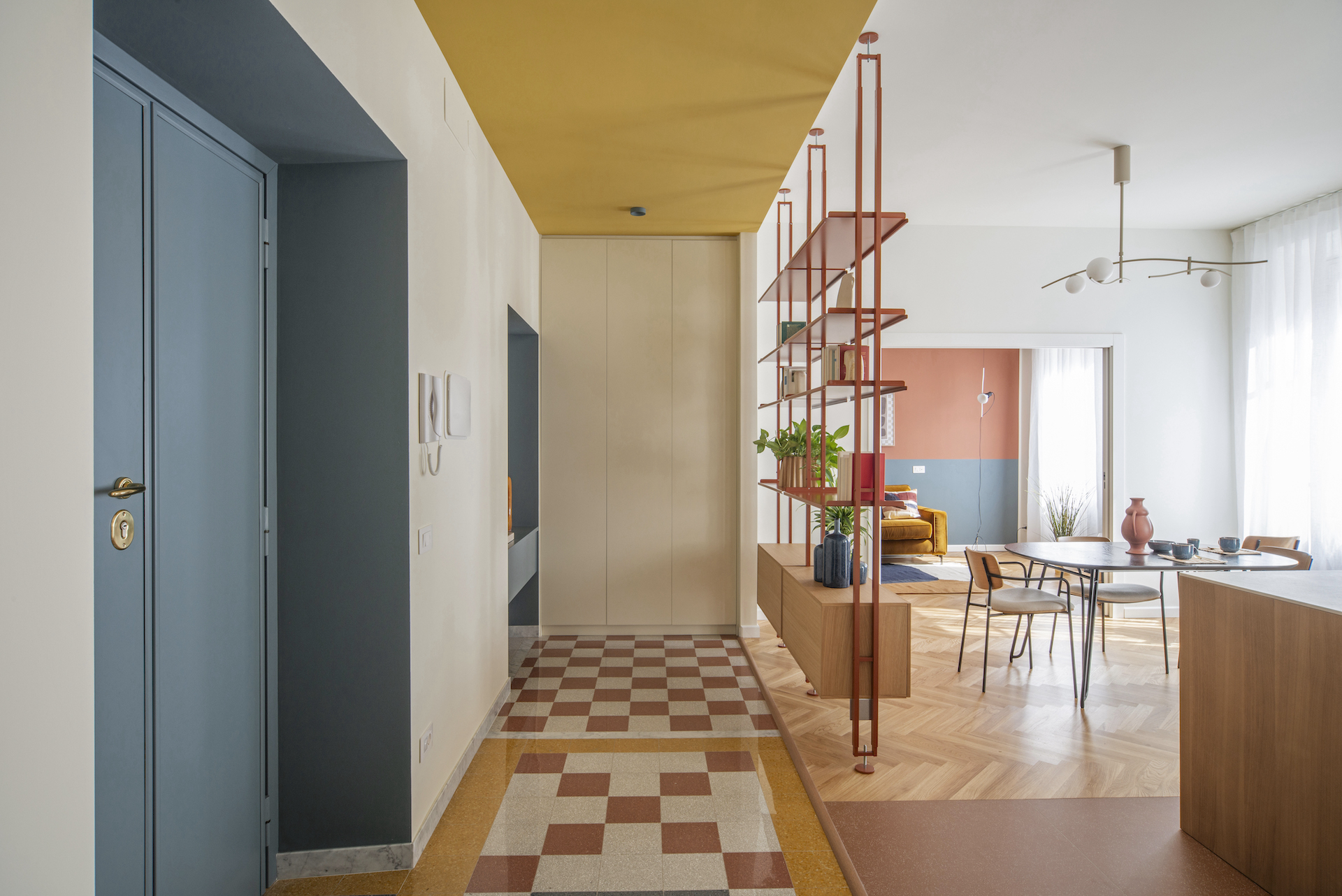
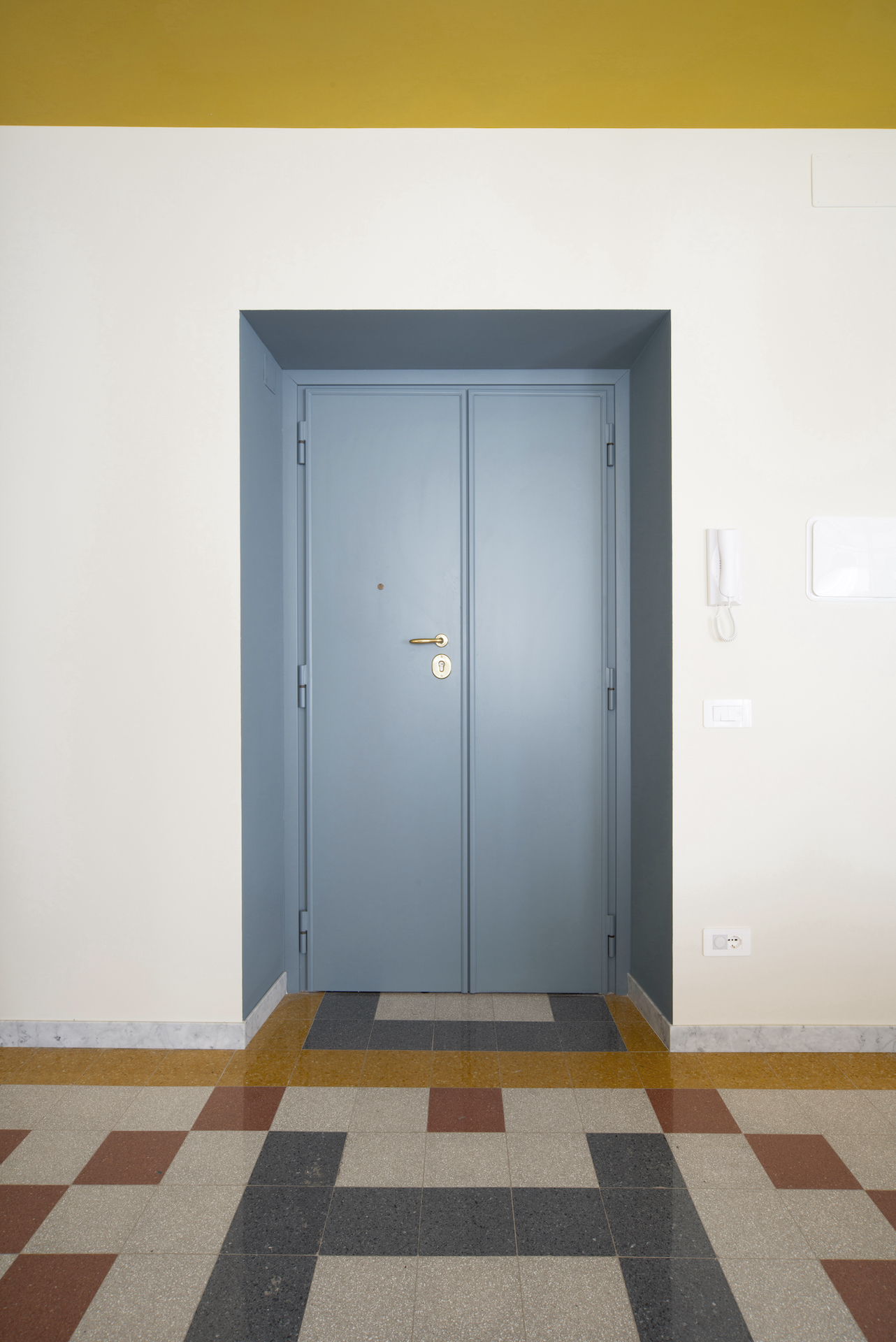
LASCIA la SCIA Architecture has renovated an apartment in Rome’s Prati district that draws on one of its defining features: the original cement tile flooring in the hallway. Preserved and reinterpreted as a veritable chromatic ‘carpet’, it becomes the design matrix around which the entire concept develops.
This project synthesises the three pillars of the studio: interior design, artisan coworking and the Personae collection of accessories, born from the creative influences of the LASCIA la SCIA Coworking Lab.
The project
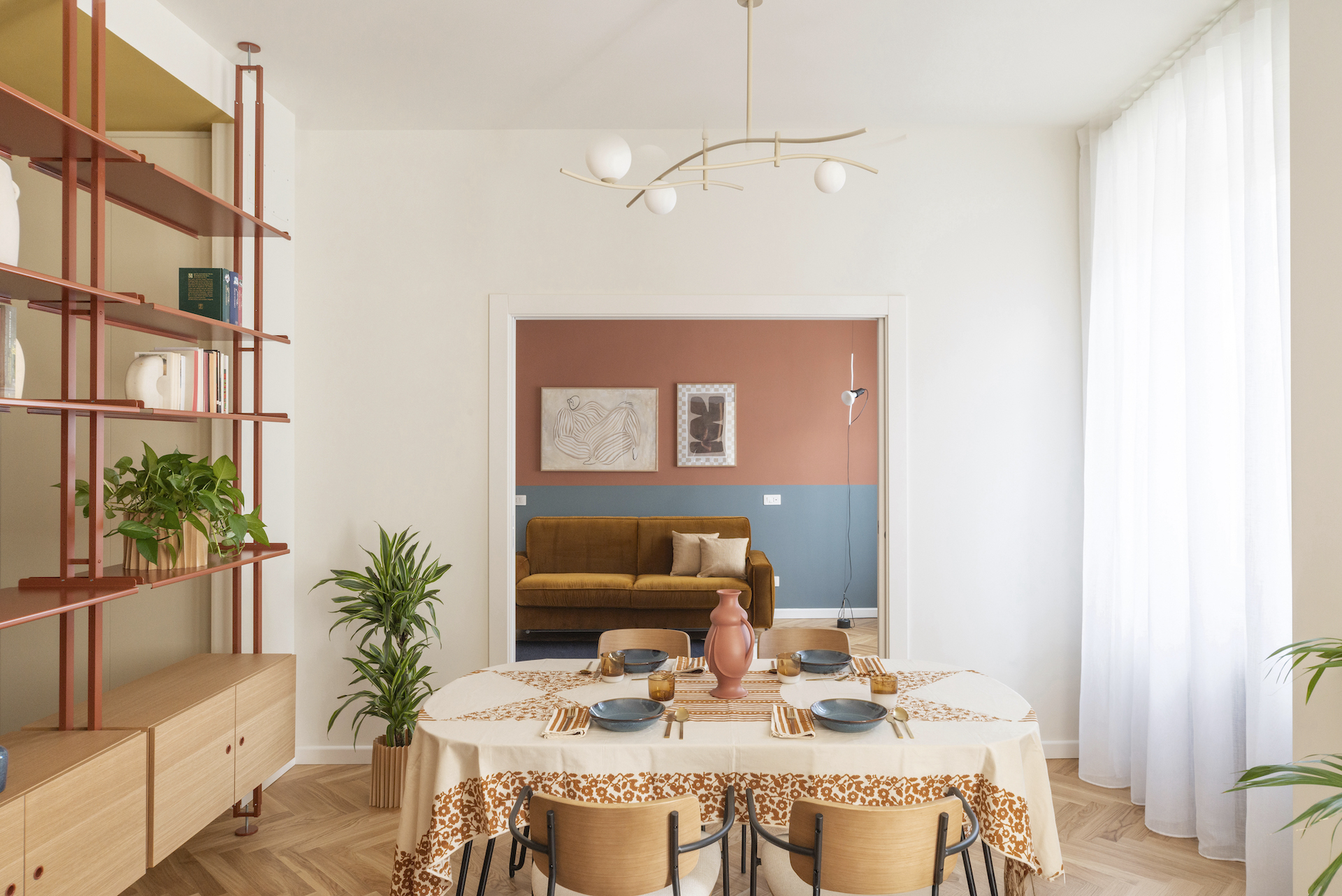
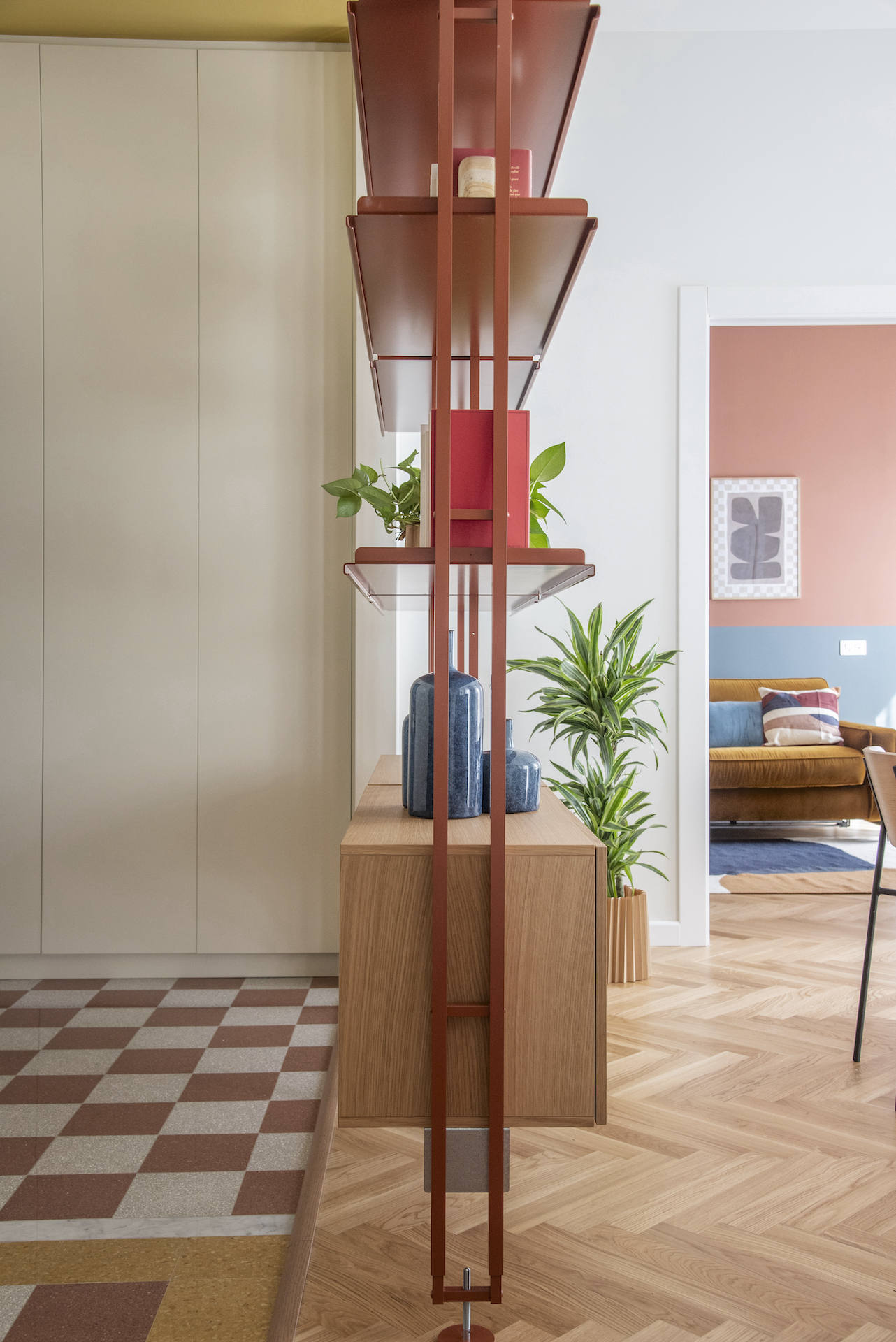
In the elegant heart of Rome’s Prati district, LASCIA LA SCIA Architecture has reinterpreted a classic Roman apartment, transforming it into a contemporary space that focuses on colour, materials and craftsmanship. The project stems from the client’s desire to breathe new life into a traditional home while keeping its material memory intact. The client is a Milanese woman who has moved to Rome. The project begins with the preservation of the original cement tiles in the hallway, which serve as a narrative and symbolic element throughout the home. These historic decorations form the basis of the colour palette and influence all design choices, creating a composition in which warm, earthy tones interact with dusty, desaturated colours to achieve a sophisticated and welcoming balance that blends the past and the present.
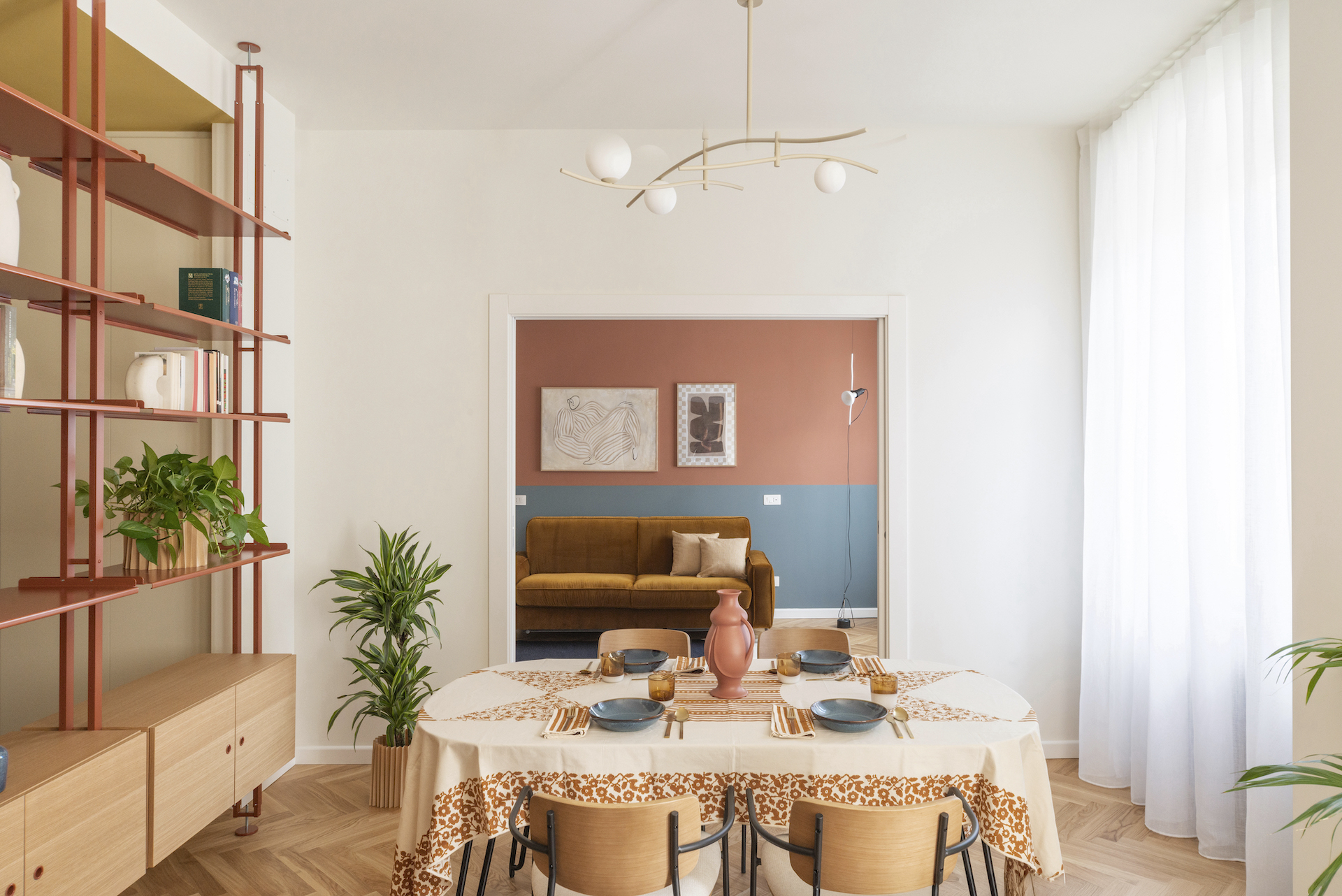
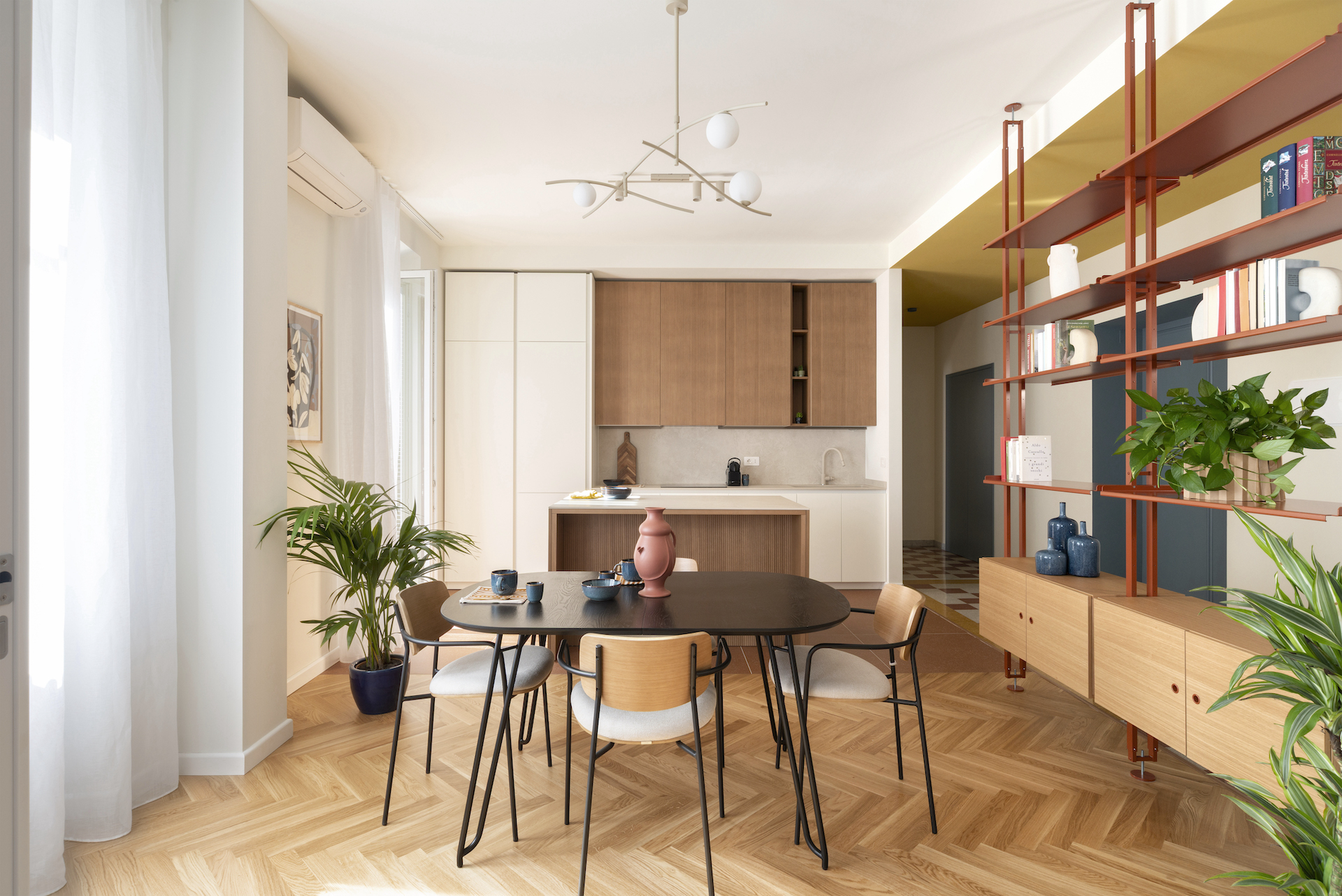
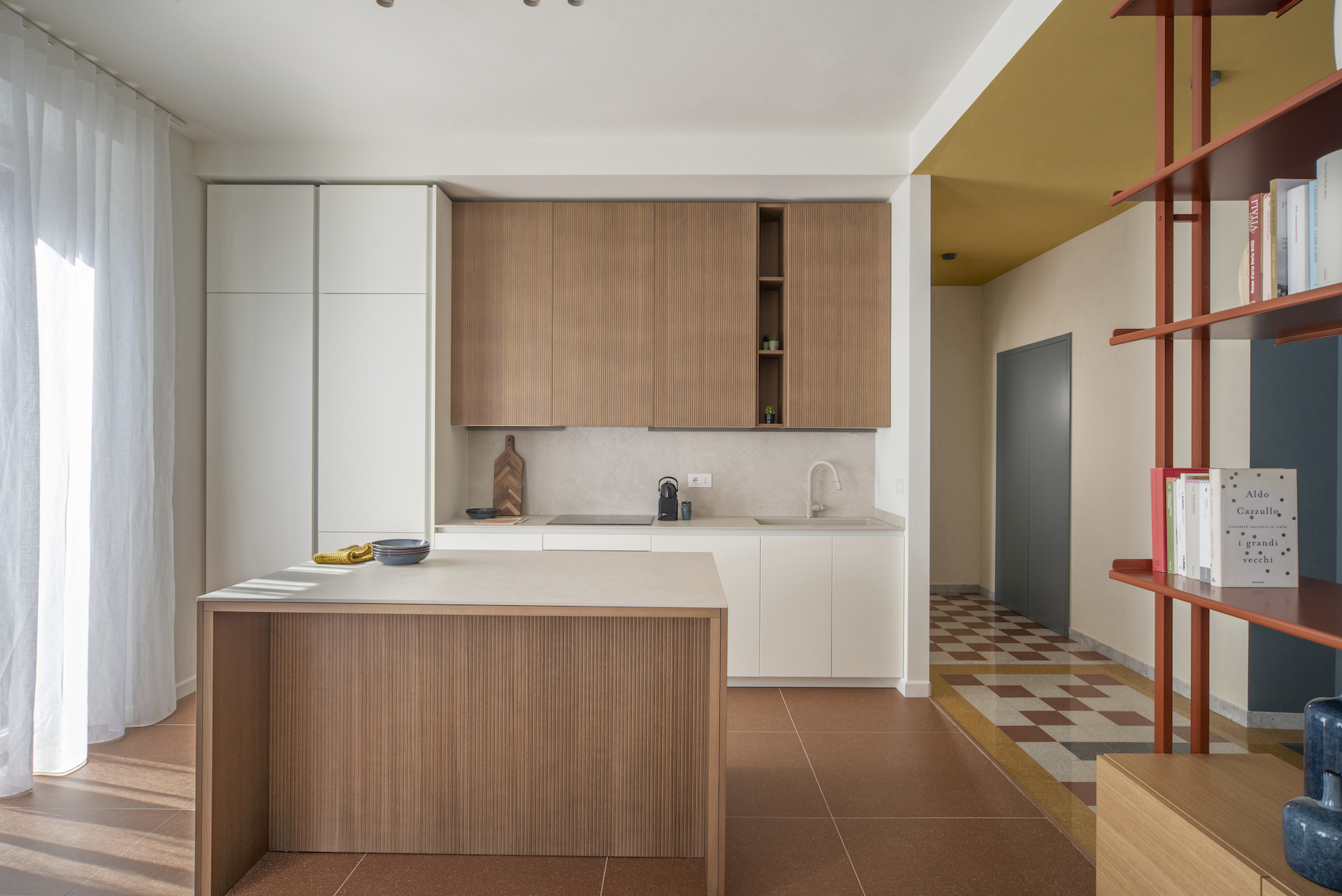
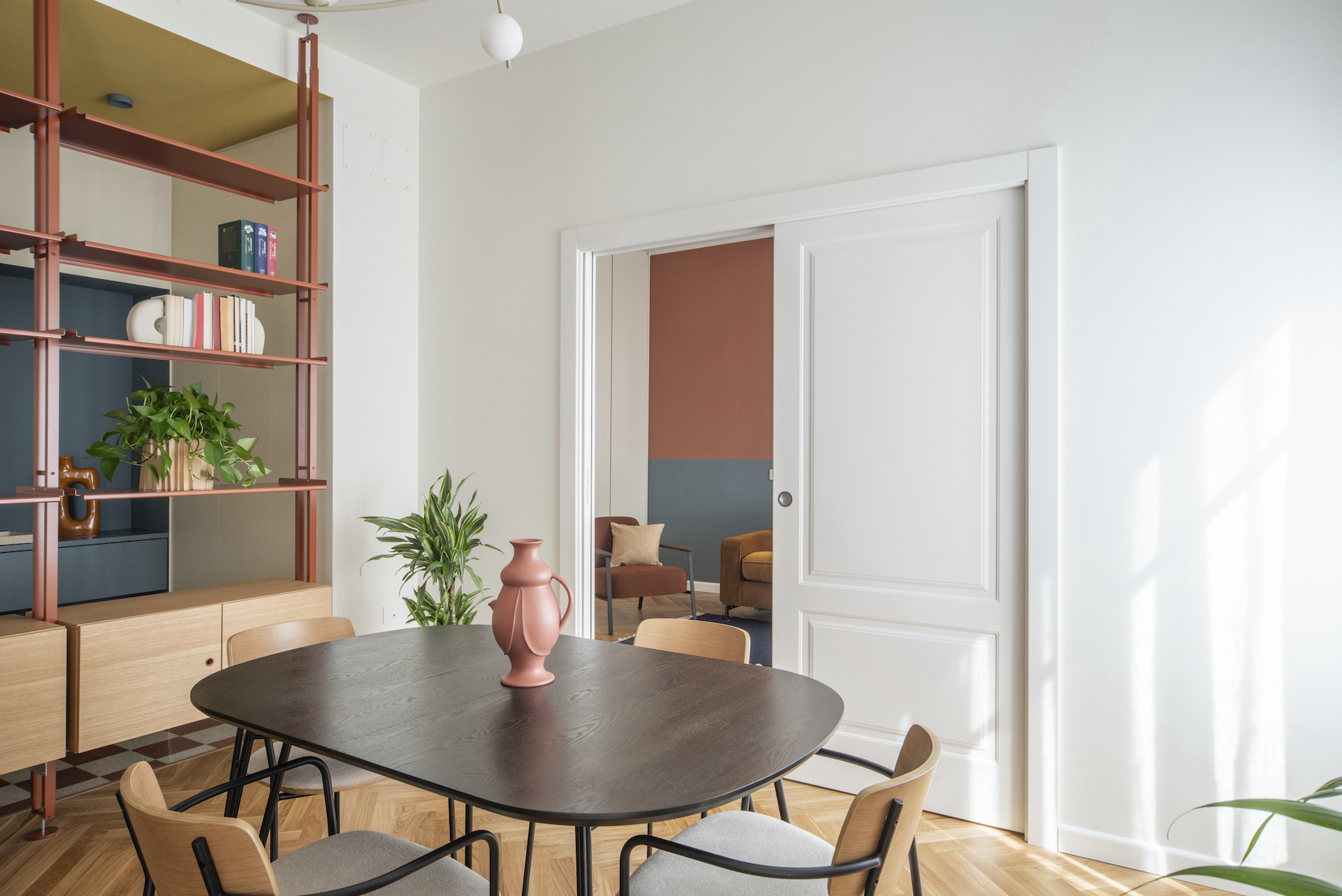
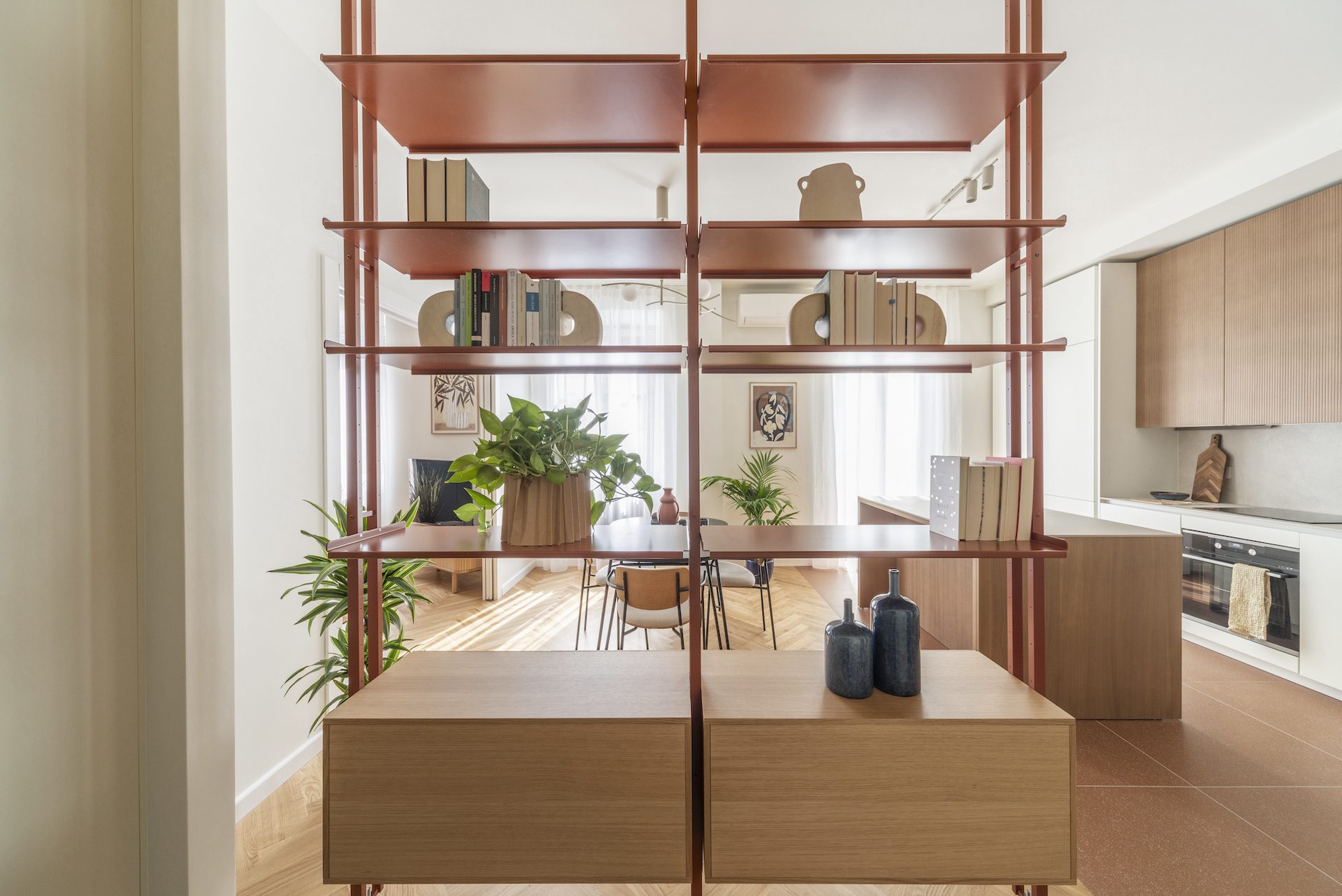
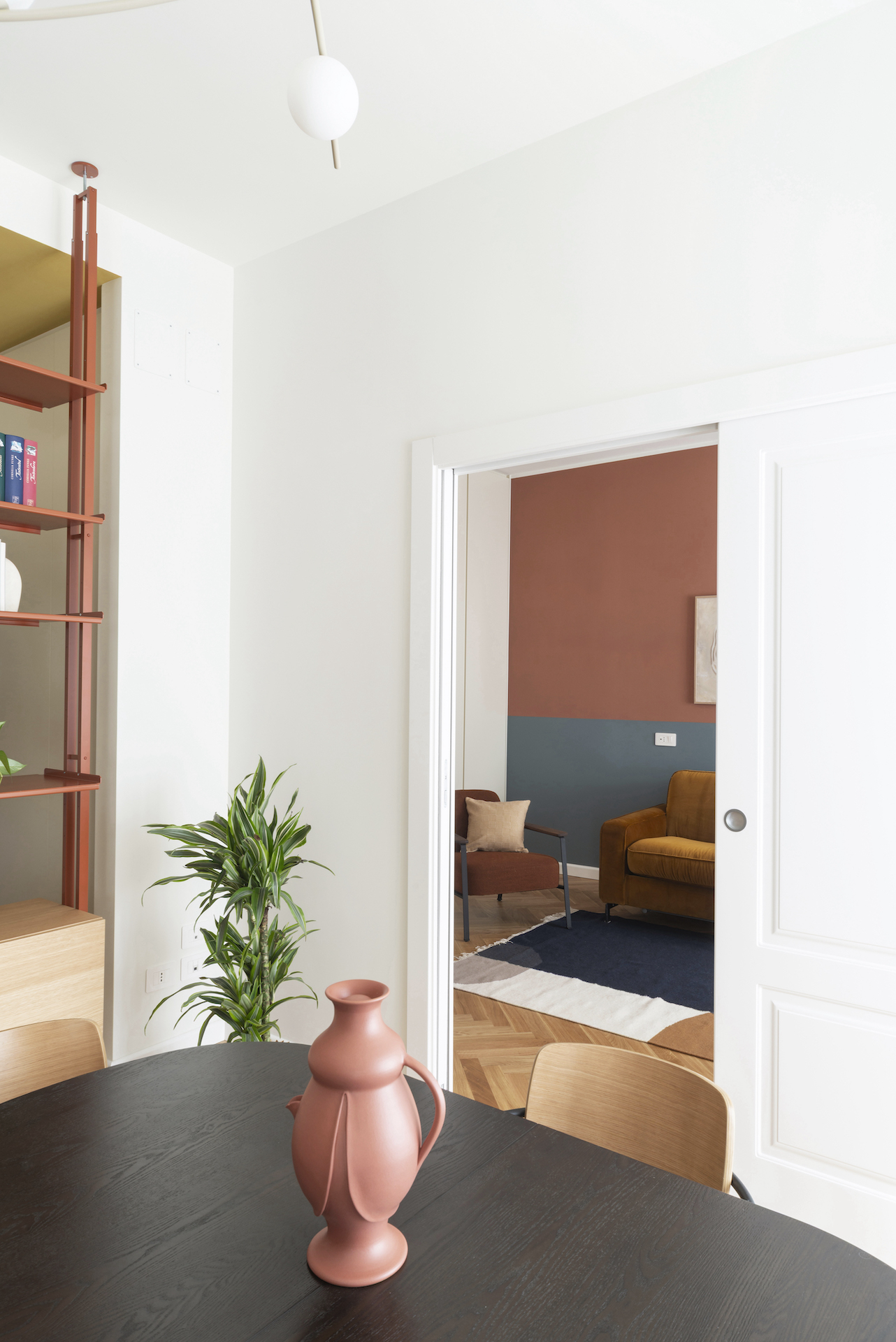
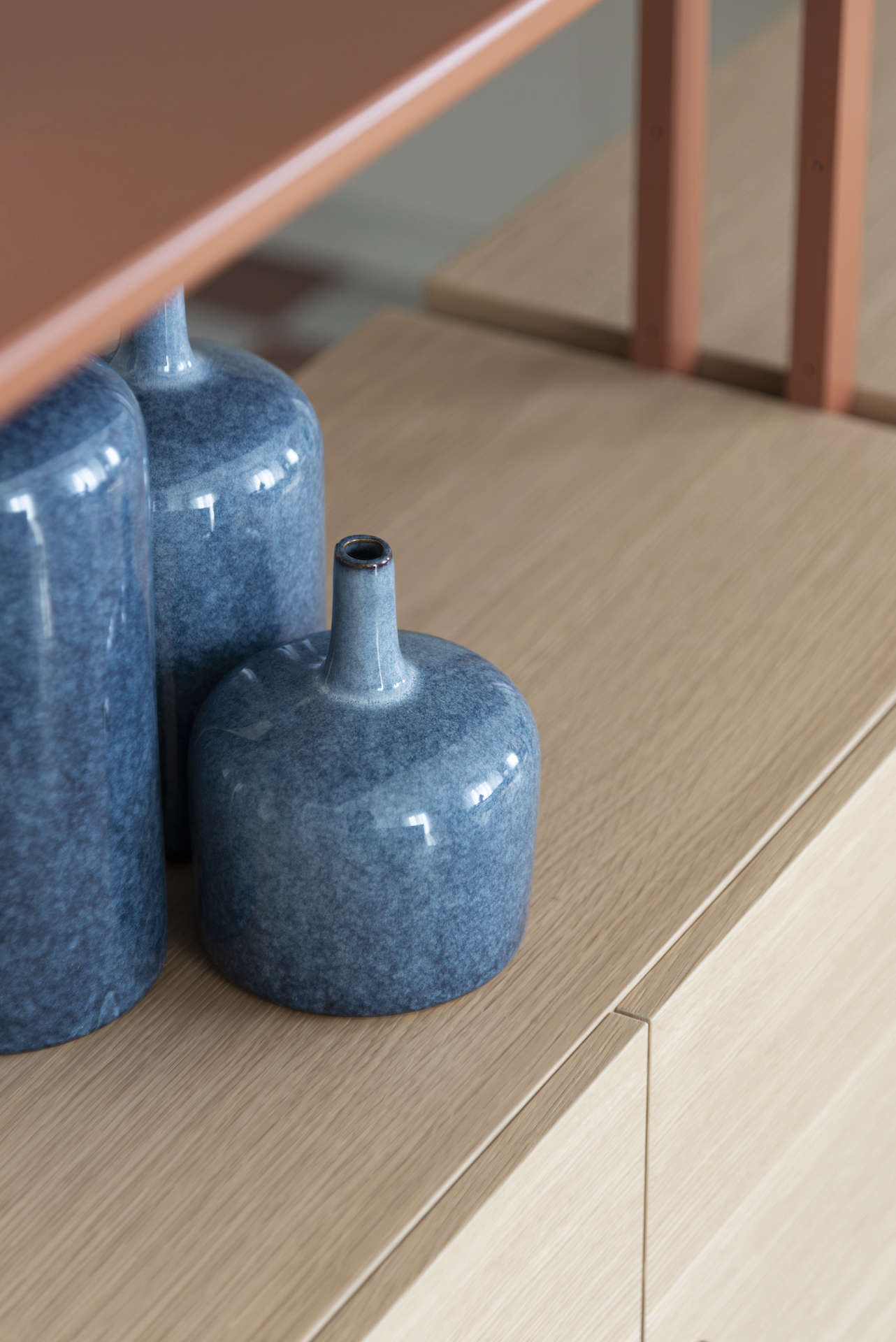
In terms of layout, the renovation deviates from the traditional room configuration typical of period Roman homes. The removal of partitions opens up the entrance to a spacious open-plan living area where the living room and kitchen coexist in a single, bright, fluid space. Rather than being defined by a wall, the threshold between the entrance and the living room is now defined by a lightweight, suspended metal structure that has been custom-designed to serve as a bookcase and spatial backdrop. This element has a strong graphic value and creates a dialogue between the painted steel and the natural oak of the dining area furniture and wall units, thereby reinforcing the visual continuity of the space.
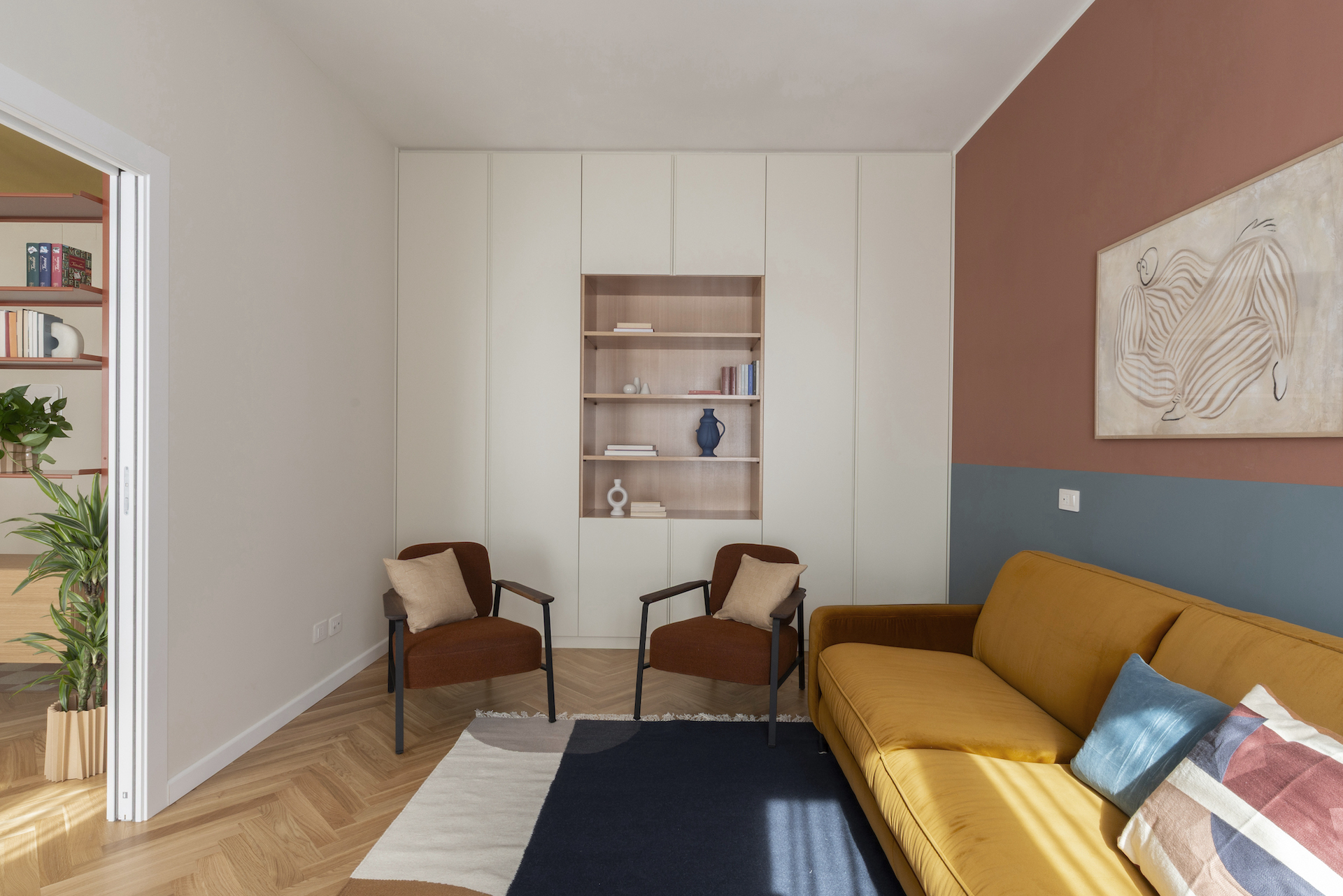
Even the flooring becomes a design feature: a brick-coloured ceramic rug in the kitchen interacts with the Italian herringbone oak parquet in the living room, emphasising the functional distinction between spaces while maintaining a sense of unity. The living room, which has large windows overlooking a tree-lined street, features a mustard velvet sofa paired with rugs and cushions in earthy tones and dusty blues. Each accessory contributes to creating a sense of measured domestic continuity.
Colour
The colour scheme stems from a dialogue between memory and contemporaneity. It is guided by a search for bright interiors, soft grey wood panelling, sand accents, powdery tones and more saturated inserts. These are always mitigated by natural light and the combination of light woods. Colour is never merely decorative; it is an architectural surface that defines space and structures the perception of environments. Warm neutrals, ivory, beige and sand form the luminous base of the walls and main volumes, while earthy colours such as brick, terracotta and mustard emerge as identifying features linked to the materiality of historic cement tiles. Dusty and light blues introduce a cool and elegant note, balancing the composition while maintaining harmony.
It is a palette that is never loud, yet strongly narrative. Each colour has its roots in matter, earth, mineral pigments, dyed fabrics and artisanal enamels. They also perform a spatial function, accompanying the transition of materials and distinguishing areas without clear separation. This creates visual continuity between the living room, kitchen and hallway, striking a constant balance between openness and intimacy. The chromatic surfaces work together in tonal dialogues, where walls, furnishings and accessories relate to each other by affinity rather than contrast.
Personae: Craftsmanship as a Contemporary Language
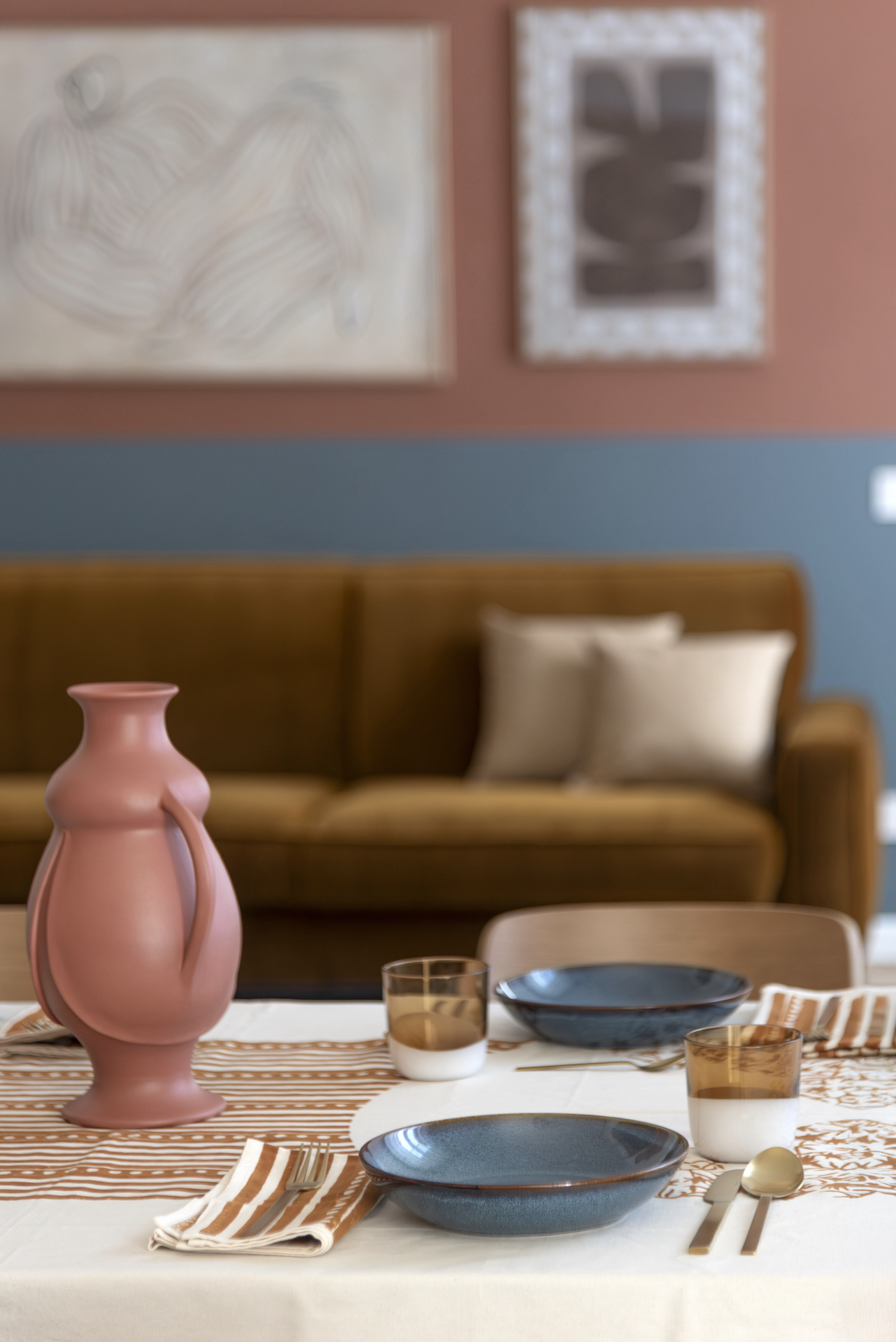
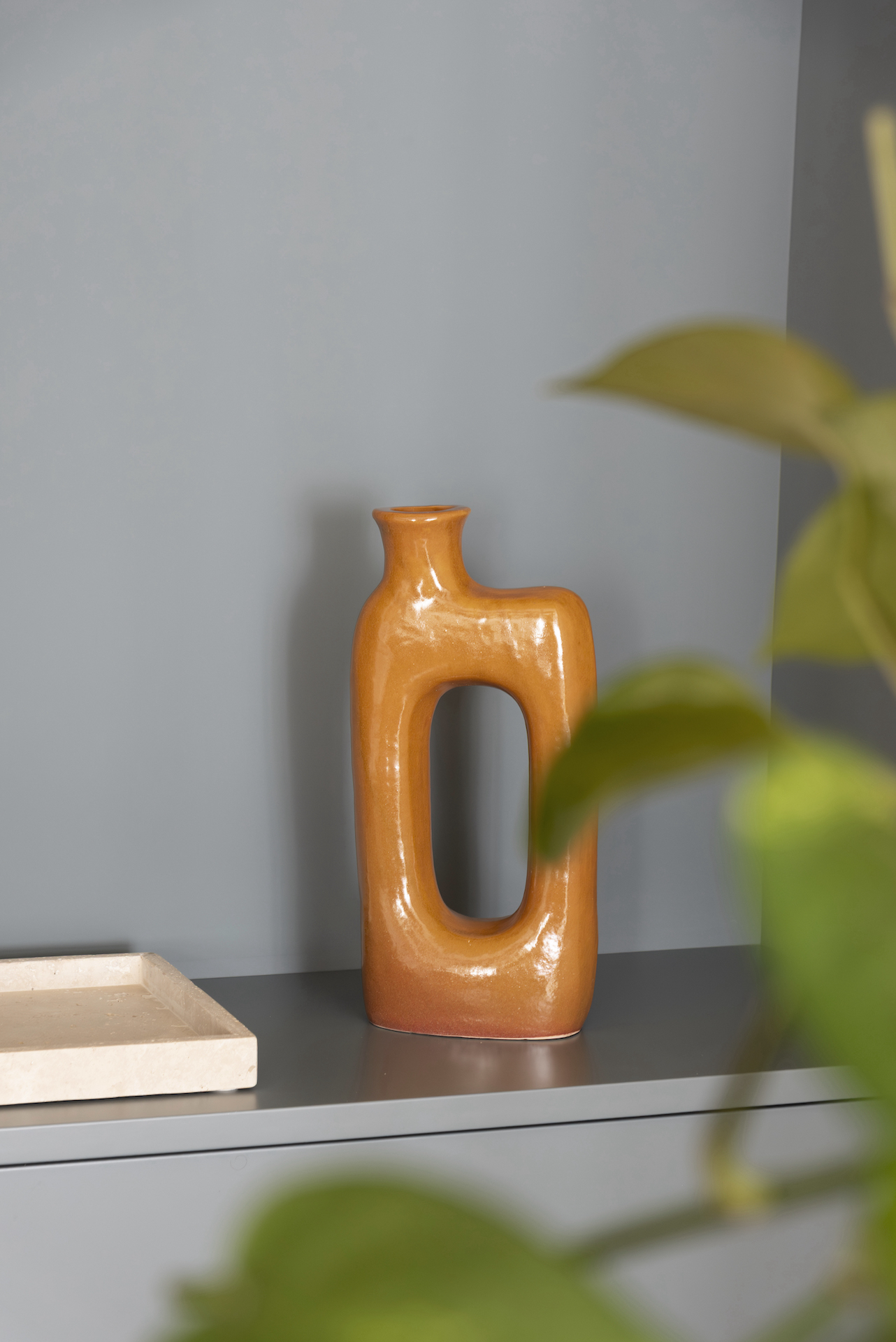
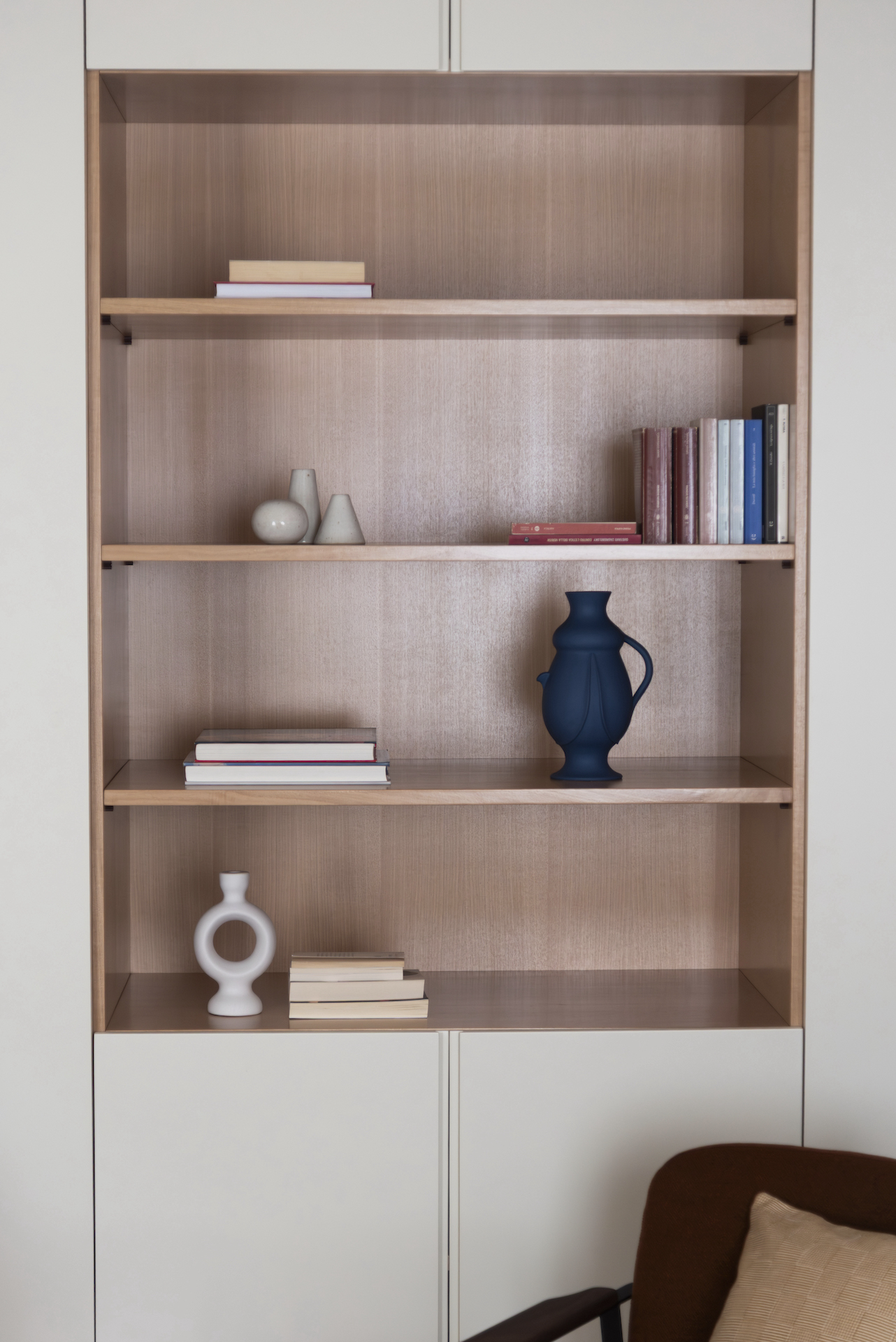
This story features accessories from Personae’s debut collection, created within the LASCIA LA SCIA Coworking Lab. This is a place where designers and artisans collaborate daily. The pieces interact directly with the lexicon of historic cement tiles and the entire palette of the project. They range from the brick-coloured ceramic of the ‘Malandrina’ jug, a reinterpretation of the traditional Sicilian ‘bummolo’, to rust-dyed textiles and blue prints. They restore colour to its most authentic role as a living material capable of recounting handmade surfaces far removed from industrial uniformity.
The collection pays tribute to the new generations of artisans who have revived traditional techniques from various Italian regions and reinterpreted them in a contemporary way. Objects and textiles are transformed into narrative presences that convey the value of the hands and gestures that created them. Thus, the colour project transcends a mere aesthetic exercise, becoming an expression of material culture that intertwines Roman memory, Milanese sensibility and contemporary craftsmanship. This gives rise to a slow, refined stratification in which colour does not merely decorate or invade, but rather builds identity, atmosphere and narrative depth.
The sleeping area and bathrooms
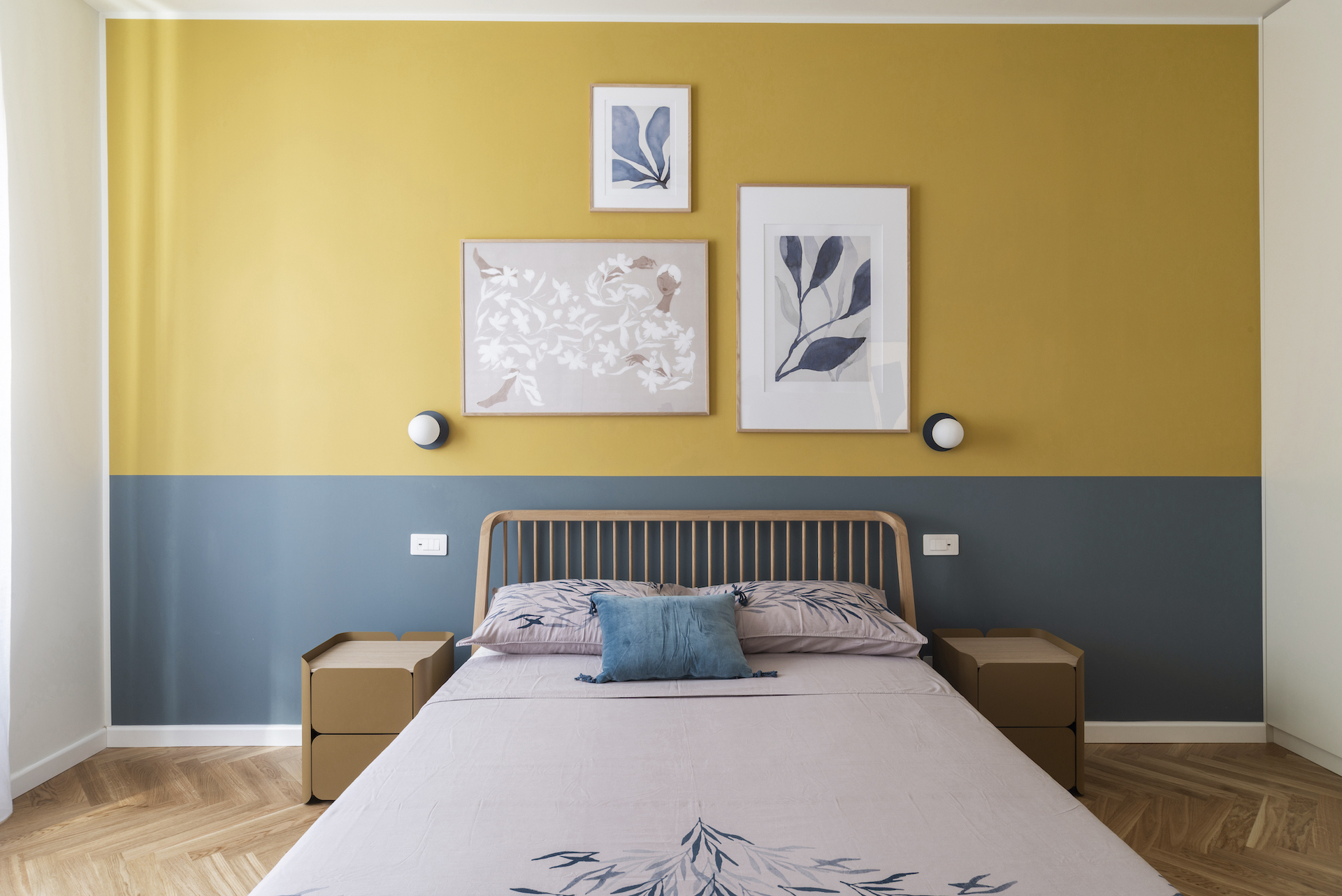
The colour concept continues in the sleeping area through the interplay of blue and mustard, which is echoed in the textiles and furnishings. These have a Northern European flavour with subtle references to the 1960s, creating an intimate and sophisticated atmosphere. Personae textiles are also used here, including rust-coloured duvet covers and pillowcases made to order in blue with floral motifs that embellish the room with delicate graphic patterns without weighing it down. The two bathrooms, created by dividing an original single room, continue the colour scheme: the day bathroom plays on the combination of brick pink and dusty blue in measured, refined balance, while the suite adopts a more decisive palette combining intense yellow and deep blue. This creates a vibrant, elegant space that reinforces the identity of the private area.
The result:
This project shows how preserving existing features can be key to a contemporary transformation. Starting with the original cement tiles, an element that is often removed or hidden, LASCIA LA SCIA overturns the paradigm by making them the protagonists of a new domestic narrative made up of colour, craftsmanship and cultural stratification.
This is a home designed for rental that is far from anonymous: it is a house designed as a place of identity and narrative, capable of conveying uniqueness and quality. Every choice in terms of layout, colour and materials responds to a coherent, well-considered vision.
Talking About LASCIA la SCIA
The creative studio Lascia la Scia was founded in 2011 by five architects: Chiara Sangalli, Laura Berni, Valentina Crepaldi, Carola Davì and Silvia Pilotti. The practice is based on a shared sensibility and a design method that draws on the diverse skills of each professional.
The resulting projects reflect a passion for detail and the restoration and enhancement of existing elements, as well as a careful search for well-being through the careful selection of materials and colours. The studio’s activities range from customised interiors for private clients to corporate services, including the creation of retail displays that align with a brand’s values and image.
Every project, from the smallest to the largest, is given distinctive value, leaving a tangible trace of the identity of those who will inhabit the spaces. Attention to detail extends from the design process to the final realisation, as attention to detail is considered synonymous with care, deep reflection and wonder.
Sensitivity in understanding and interpreting people’s needs, transforming them into concrete projects, is key to the design and research process. The home is considered a third skin, an intimate expression of being, a place where one feels welcomed, enveloped, and protected. Therefore, each project is approached with dedication, taking measurements through analysis, study, and understanding of the needs, desires, and style of those who will live in the spaces. As artisans, we create unique and unrepeatable projects, tailor-made for those who will inhabit those places.
In the projects developed, priority is given to the recovery and enhancement of existing elements, whether they are coverings or vintage furnishings to be reinvented.
Project Credits:
Lascia la Scia
instagram @lascia_la_scia_architecture linkedin | facebook
contact: info@lascialascia.com
Photos credits: Paolo Rufo, https://www.paolorufo.it/ instagram @paolorufophotographer
Location: Rome, Prati district
Surface area: 72 square meters
Work: complete renovation of apartment for rental
Client: private
Execution: project supervised remotely with 5 technical inspections during the operational phase
Suppliers:
Handcrafted decorations: tablecloths, Malandrina jug, cushions by Personae www.wearepersonae.com instagram @we_are_personae
Blue concrete entrance spotlights: Plato Design Living room chandelier and spotlights: Westwing Living room ceiling light: Novaluce
Bedroom wall lights: Toniton Bathroom wall lights: Platodesign Floor lamp: Flos, Parentesi Kitchen: Veneta Cucine
Bookcase: Kriptonite
Entrance hall and bedroom furniture: custom-made Table and chairs: Kavehome
Sofa bed: Natuzzi Armchairs: La Redoute Bed: Ethnicraft
Bedside tables: Hiro Design
Paintings and prints throughout the house: Desenio Bathroom wall coverings: Cosmo 41zero42
Please send us your article (PDF or URL) if you publish the project.
press@thus-newswire.com
Contact
Web: lascialascia.com
Email: info@lascialascia.com
Press Kit no.: 202688
Sign in or create your media account to save the project
Guardar proyecto
Living Area
Roma Prati
Designer: Lascia La Scia
Photo Credits: Paolo Rufo
Size: 72dpi / 300dpi
Living Area
Roma Prati
Designer: Lascia La Scia
Photo Credits: Paolo Rufo
Size: 72dpi / 300dpi
Living Area
Roma Prati
Designer: Lascia La Scia
Photo Credits: Paolo Rufo
Size: 72dpi / 300dpi
Living Area
Roma Prati
Designer: Lascia La Scia
Photo Credits: Paolo Rufo
Size: 72dpi / 300dpi
Living Area
Roma Prati
Designer: Lascia La Scia
Photo Credits: Paolo Rufo
Size: 72dpi / 300dpi
Living Area
Roma Prati
Designer: Lascia La Scia
Photo Credits: Paolo Rufo
Size: 72dpi / 300dpi
Living Area
Roma Prati
Designer: Lascia La Scia
Photo Credits: Paolo Rufo
Size: 72dpi / 300dpi
Living Area
Roma Prati
Designer: Lascia La Scia
Photo Credits: Paolo Rufo
Size: 72dpi / 300dpi
Living Area
Roma Prati
Designer: Lascia La Scia
Photo Credits: Paolo Rufo
Size: 72dpi / 300dpi
Living Area
Roma Prati
Designer: Lascia La Scia
Photo Credits: Paolo Rufo
Size: 72dpi / 300dpi
Bedroom
Roma Prati
Designer: Lascia La Scia
Photo Credits: Paolo Rufo
Size: 72dpi / 300dpi
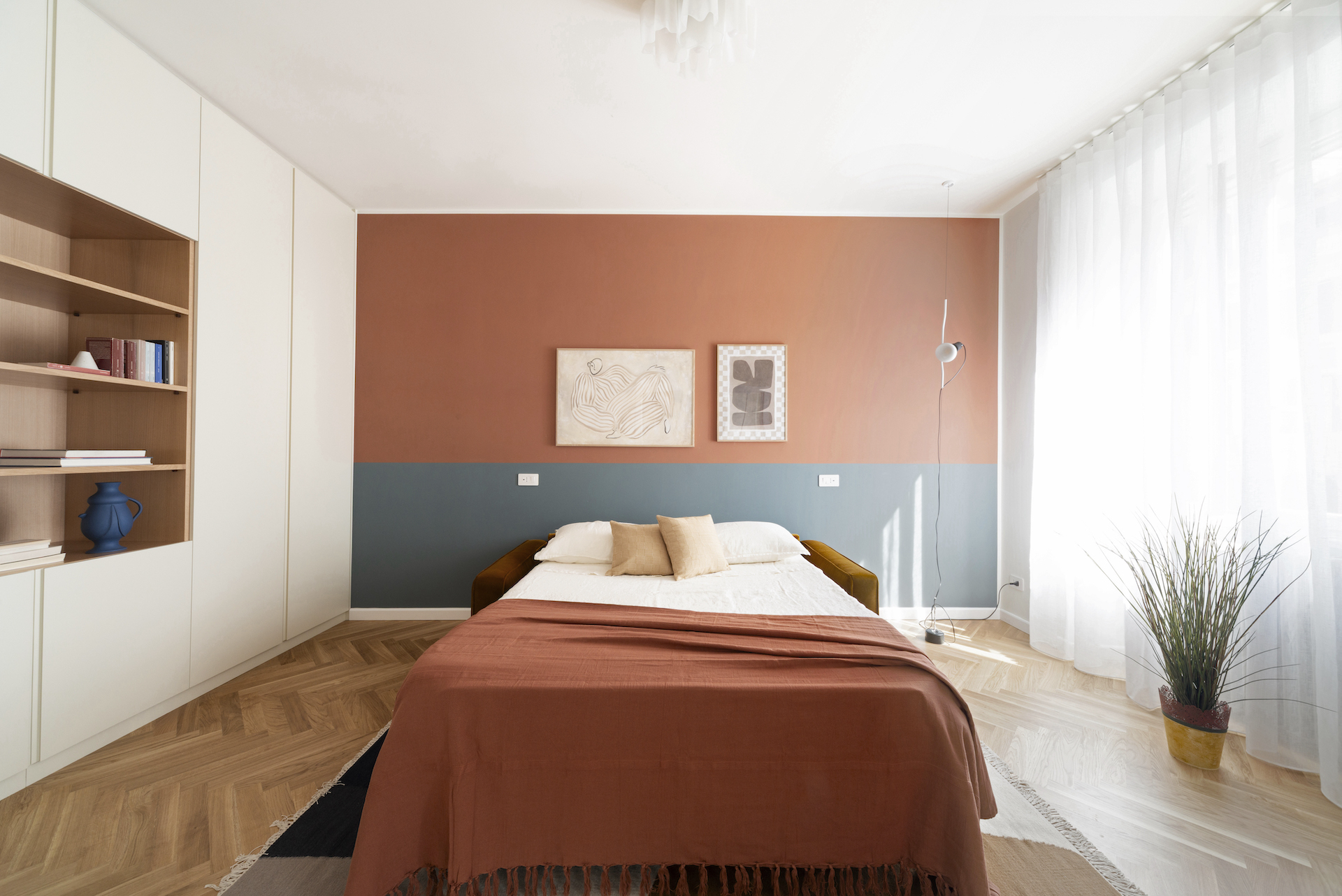
Bedroom
Roma Prati
Designer: Lascia La Scia
Photo Credits: Paolo Rufo
Size: 72dpi / 300dpi
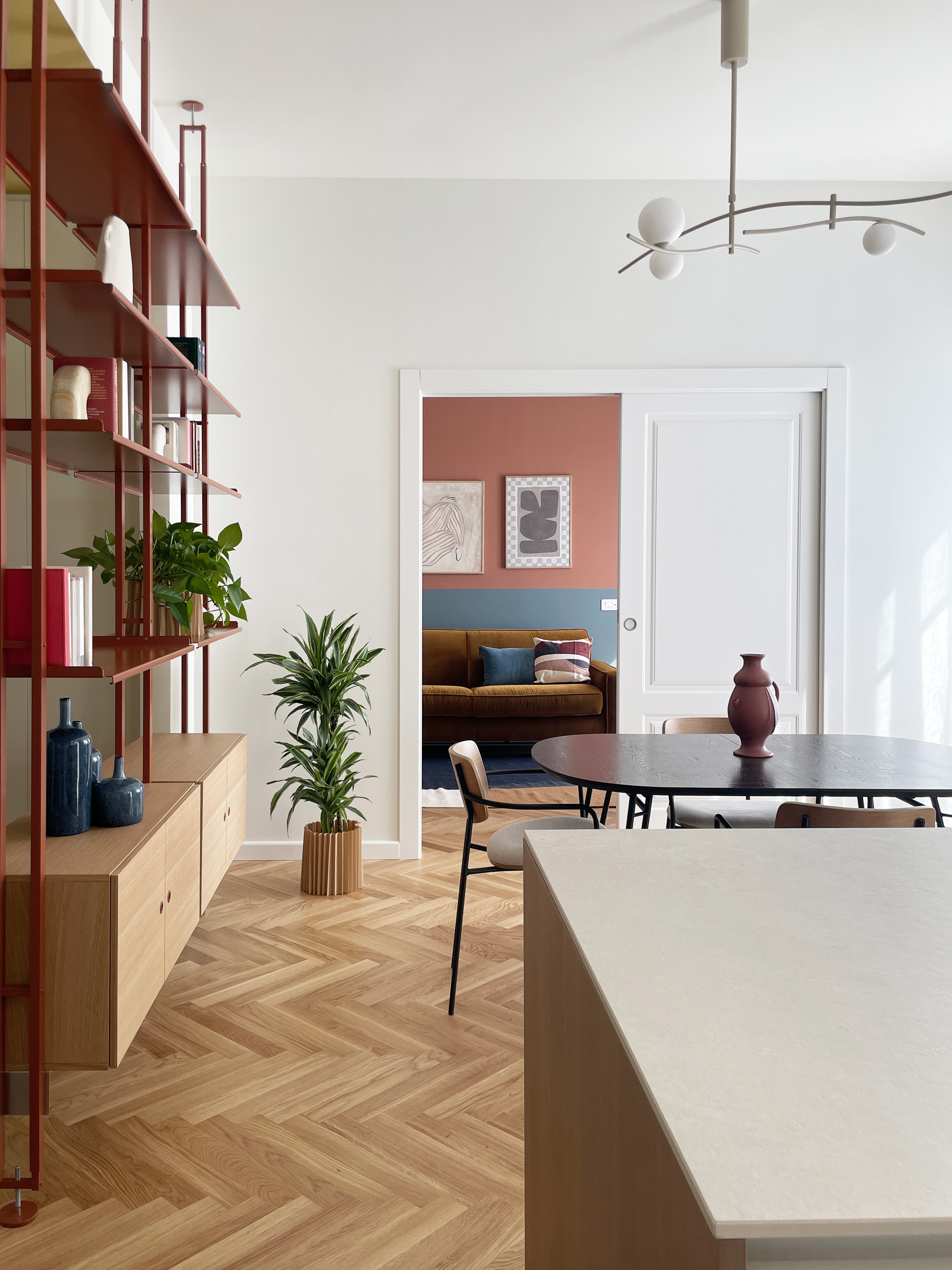
Living Area
Roma Prati
Designer: Lascia La Scia
Photo Credits: Paolo Rufo
Size: 72dpi / 300dpi
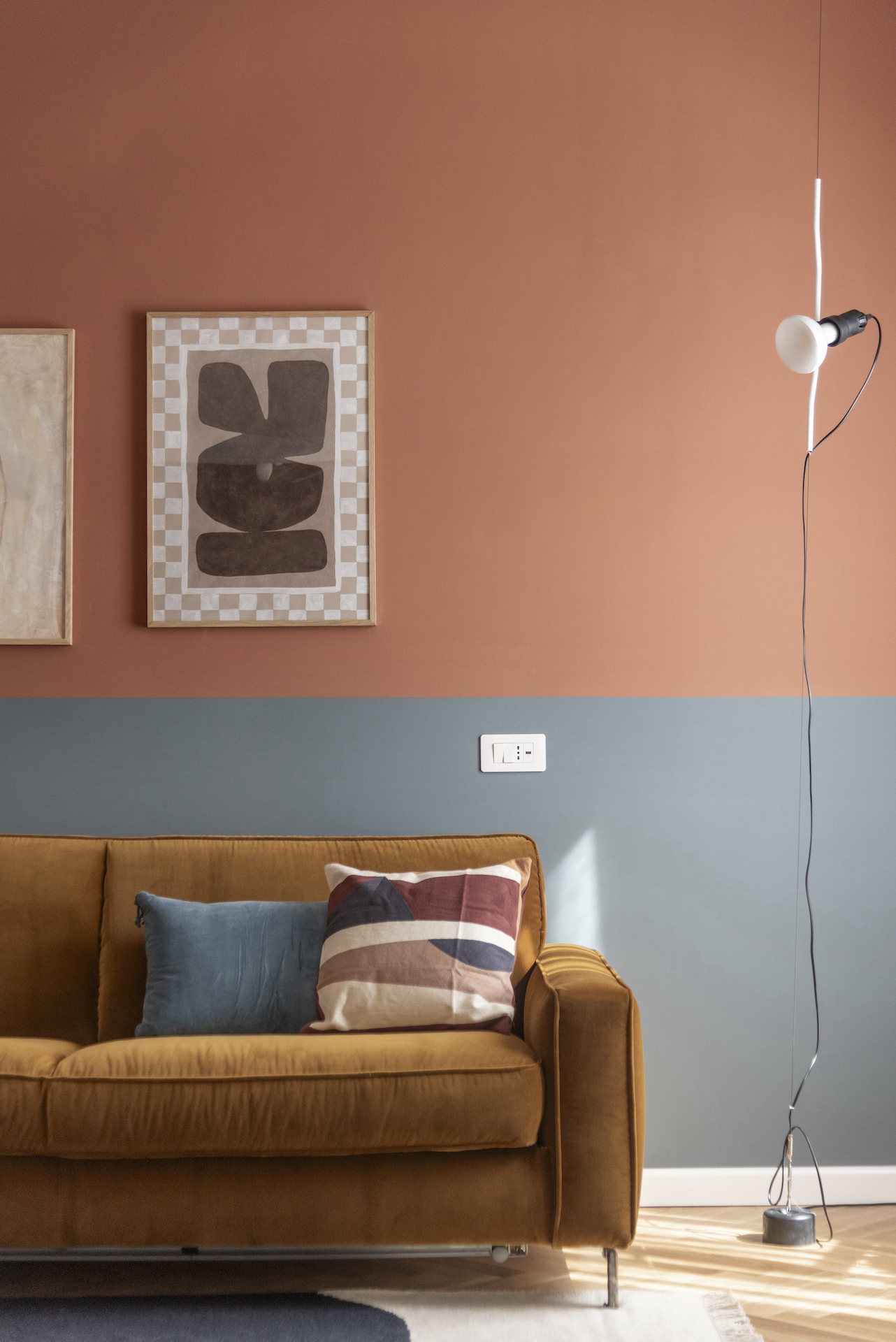
Living Area
Roma Prati
Designer: Lascia La Scia
Photo Credits: Paolo Rufo
Size: 72dpi / 300dpi
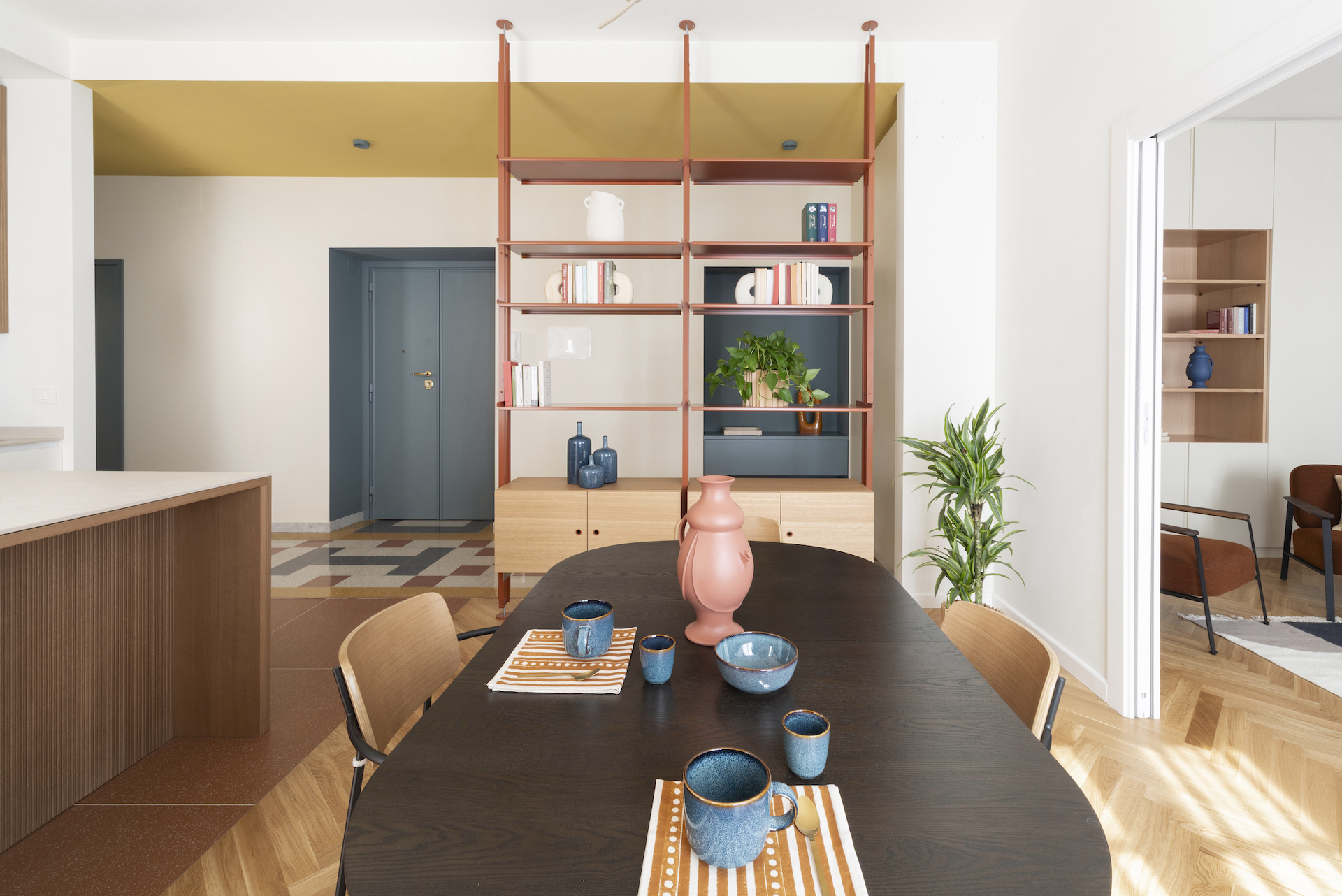
Living Area
Roma Prati
Designer: Lascia La Scia
Photo Credits: Lascia la Scia
Size: 72dpi / 300dpi
Living Area
Roma Prati
Designer: Lascia La Scia
Photo Credits: Lascia la Scia
Size: 72dpi / 300dpi
Lascia la Scia
Roma Prati
Designer: Lascia La Scia
Photo Credits: Paolo Rufo
Size: 72dpi / 300dpi
Lascia la Scia
Roma Prati
Designer: Lascia La Scia
Photo Credits: Lascia la Scia
Size: 72dpi / 300dpi
Personae Collection
Roma Prati
Designer: Lascia La Scia
Photo Credits: Paolo Rufo
Size: 72dpi / 300dpi
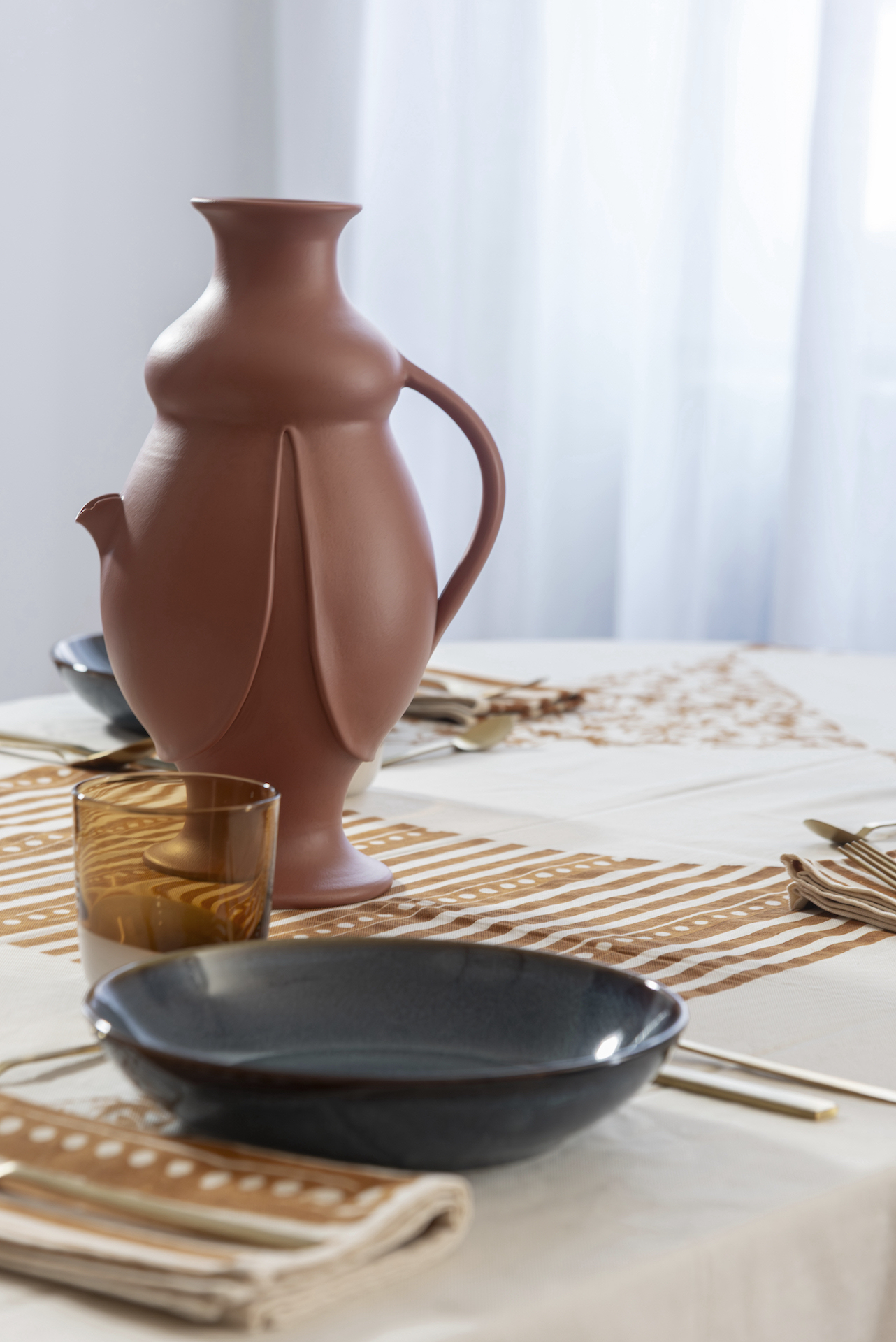
Lascia la Scia
Roma Prati
Designer: Lascia La Scia
Photo Credits: Lascia la Scia
Size: 72dpi / 300dpi
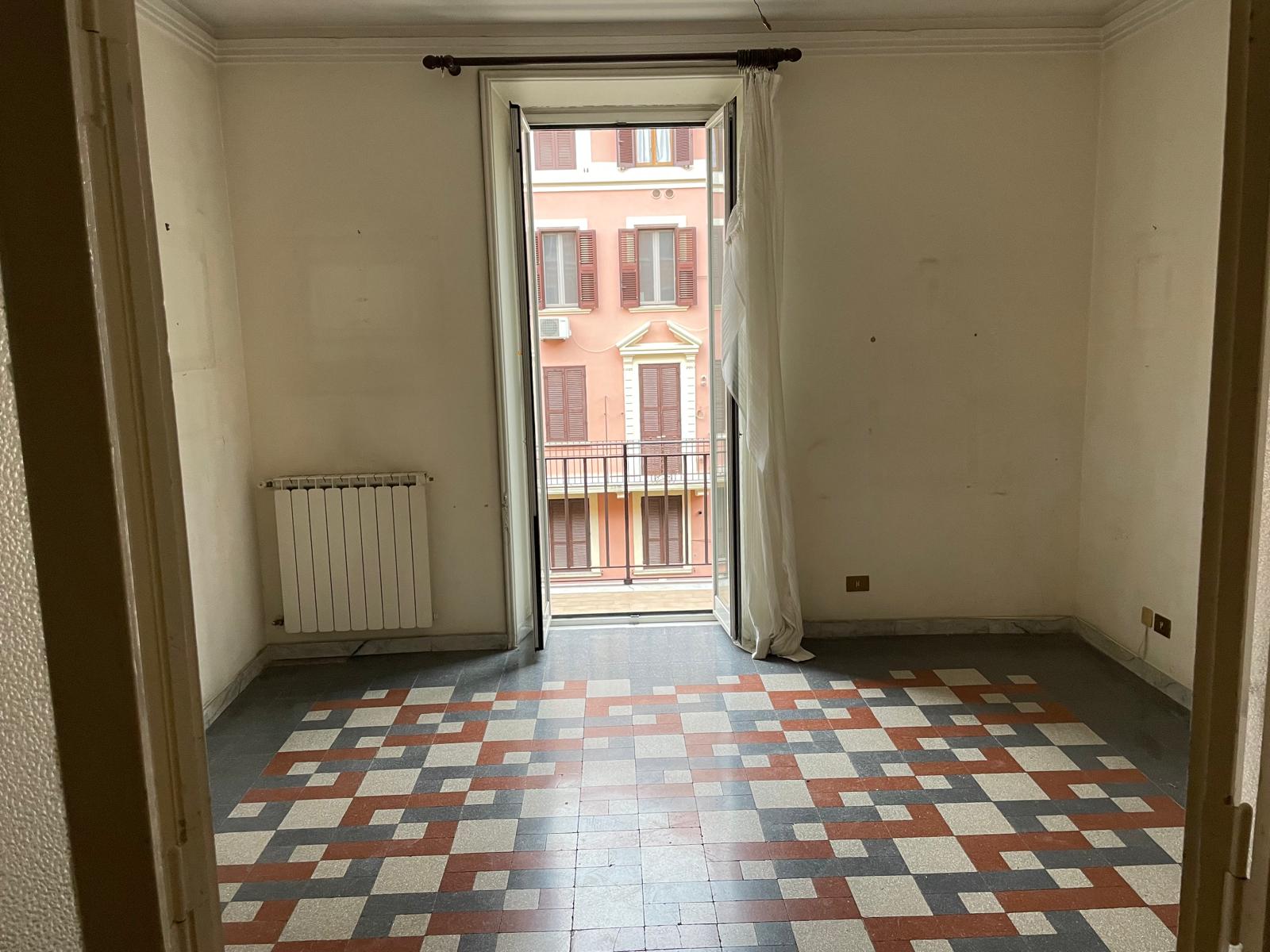
Befor Renovation
Roma Prati
Designer: Lascia La Scia
Photo Credits: Paolo Rufo
Size: 72dpi / 300dpi
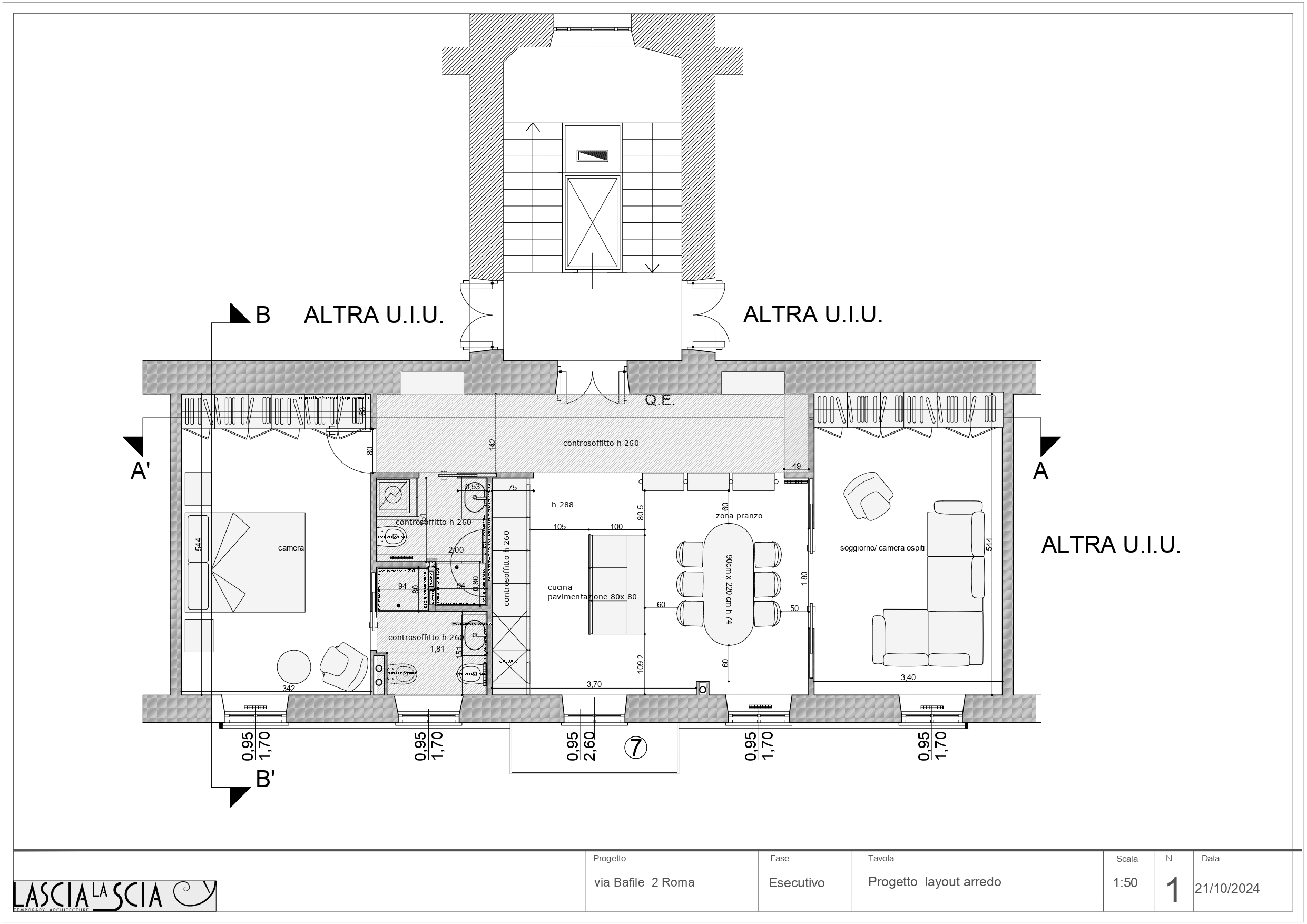
Drawings in download
Roma Prati
Designer: Lascia La Scia
Photo Credits: Lascia la Scia
Size: 72dpi / 300dpi